Healthcare
OncoLens helps hospitals deliver precision cancer care through software.
Web application • User Experience
Overview
OncoLens is a data-rich healthcare startup that help clinicians make evidence-based decisions from complex and patient and treatment data. As the UX lead for the Provider solutions, I was responsible for shaping dense datasets into an intuitive and consummable experience for clinicians.
Services
UX research & design
Workflow optimization
Information architecture
Screen design
Concept prototyping
Design system

Case study
When a patient is diagnosed with cancer, a medical record is created by the Oncology clinical staff to store the patient’s data onto the hospital’s secured Electronic Medical Record or Electronic Health Record systems. Once a request to discuss a patient is submitted, the case is added to the queue for the clinical team to ensure each patient record is accurate and complete. These conferences become more challenging and complex to plan as patient volume grows – clinicians require better tools to support and quickly prepare.
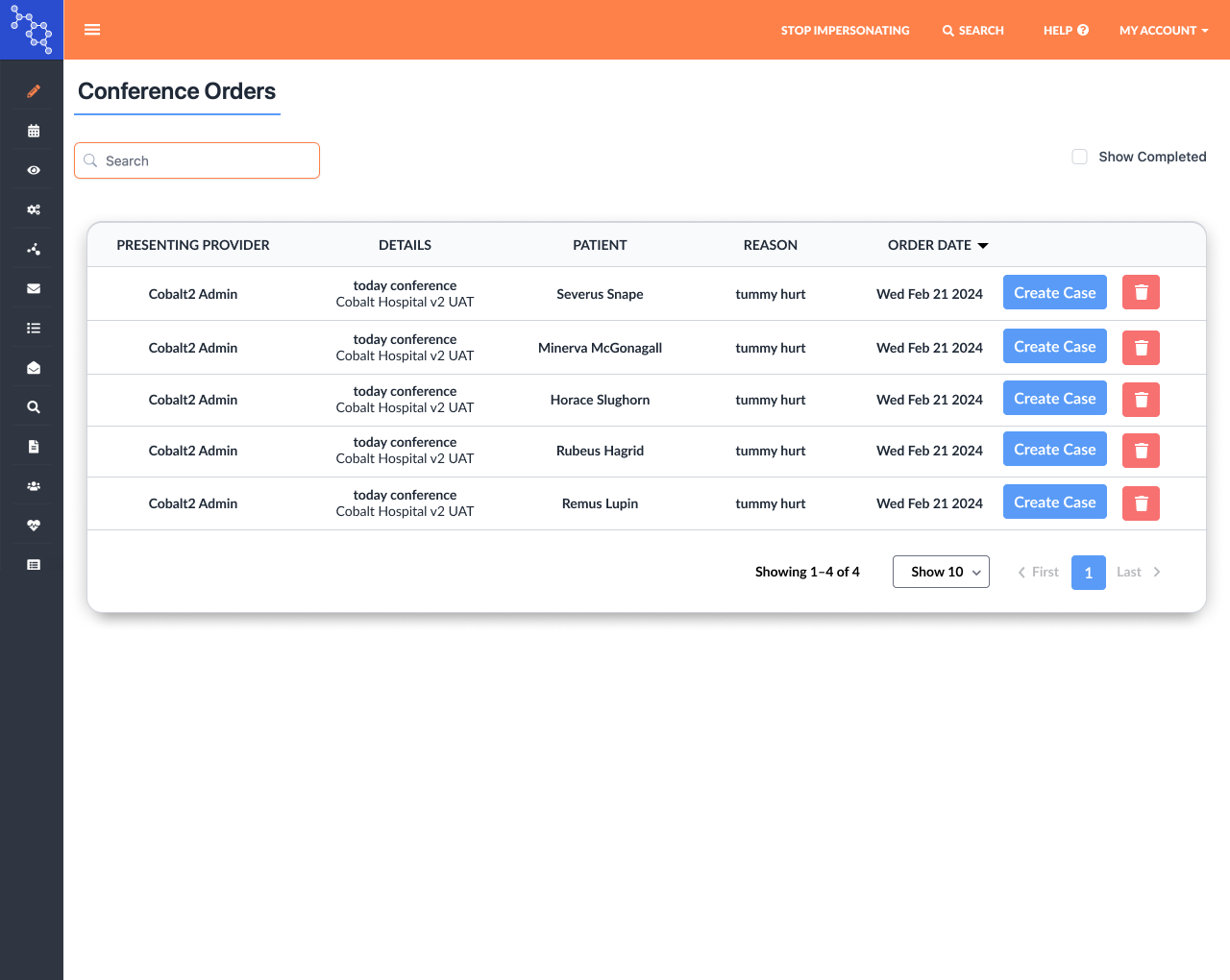
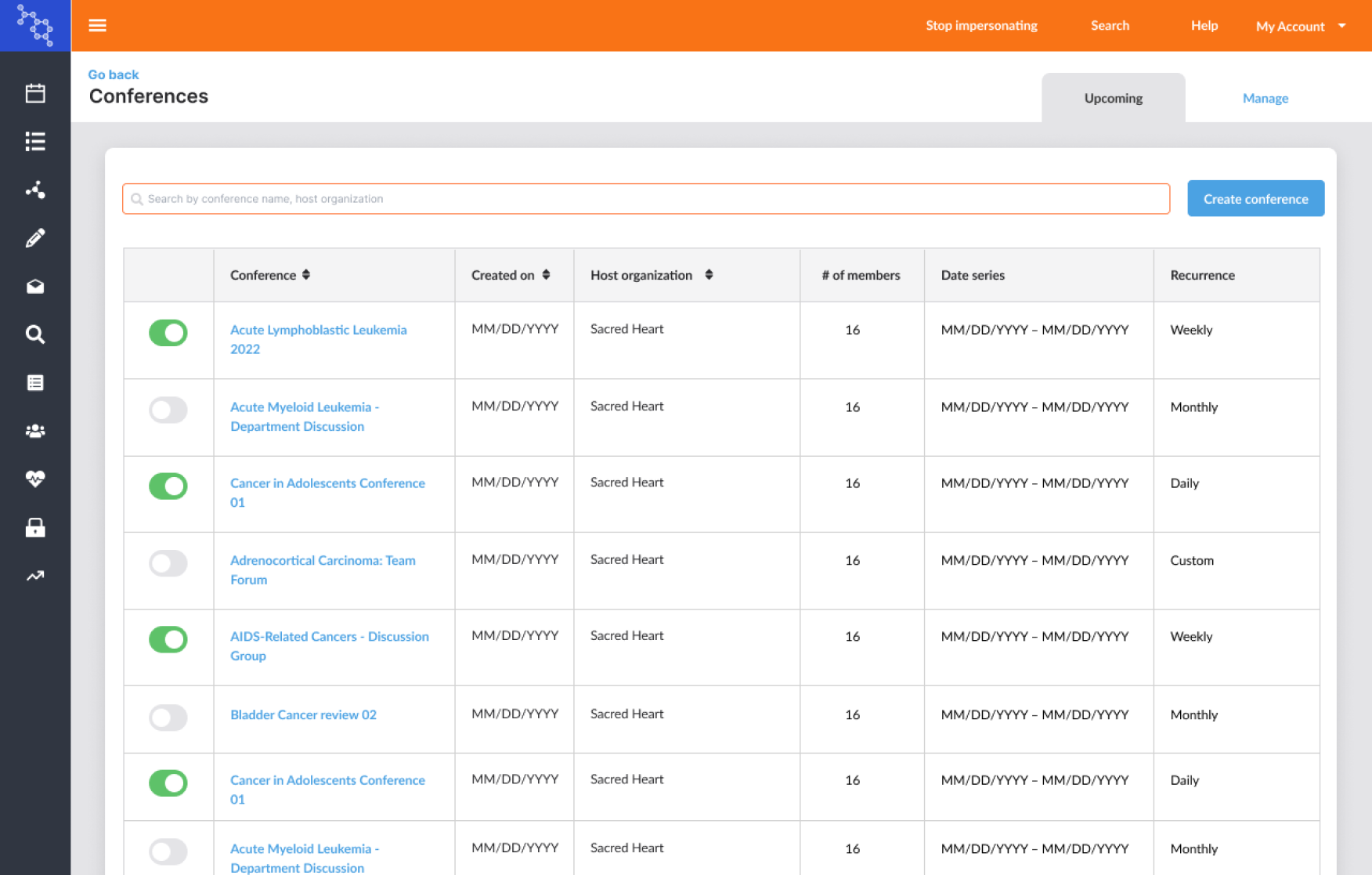
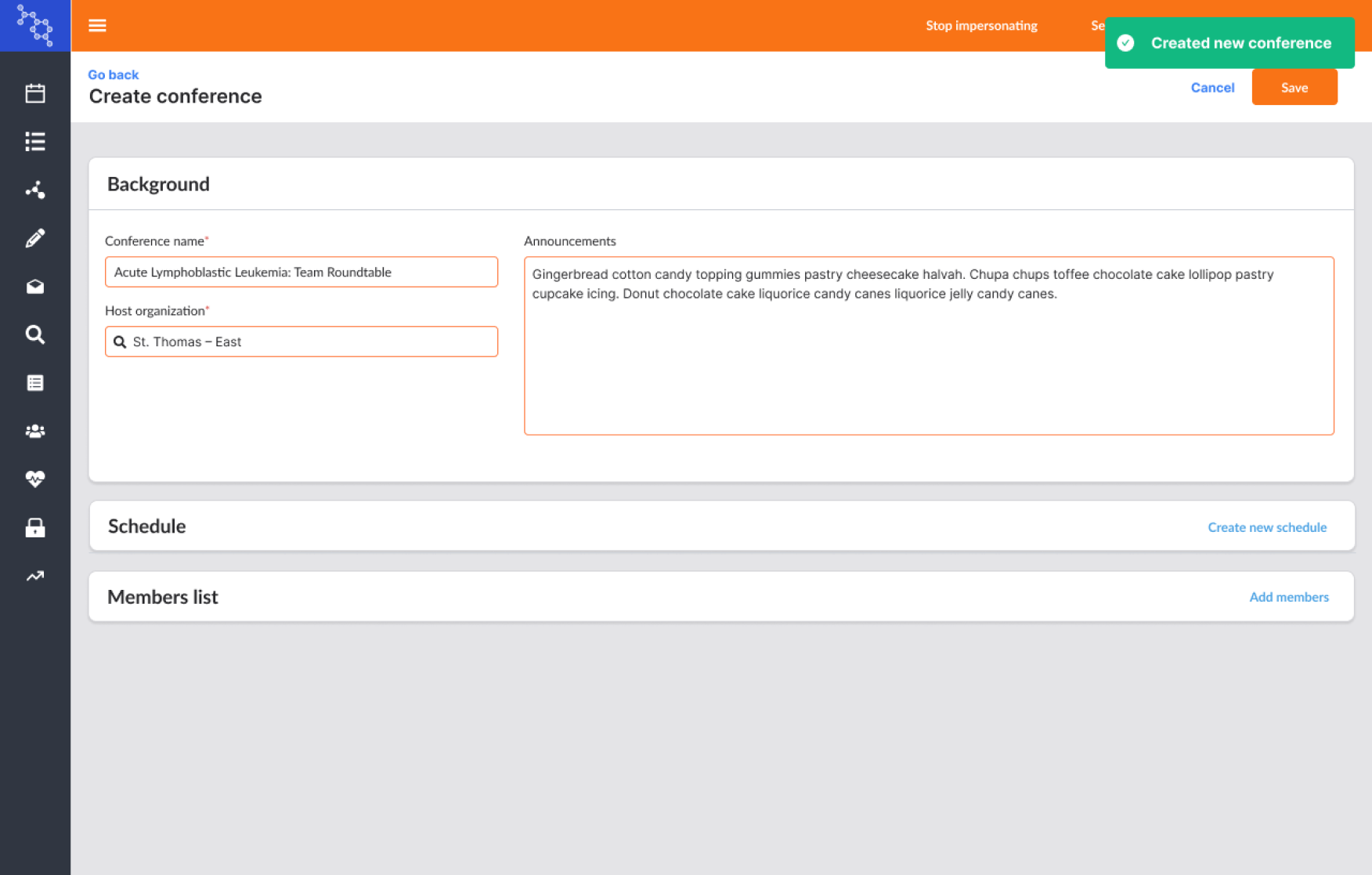
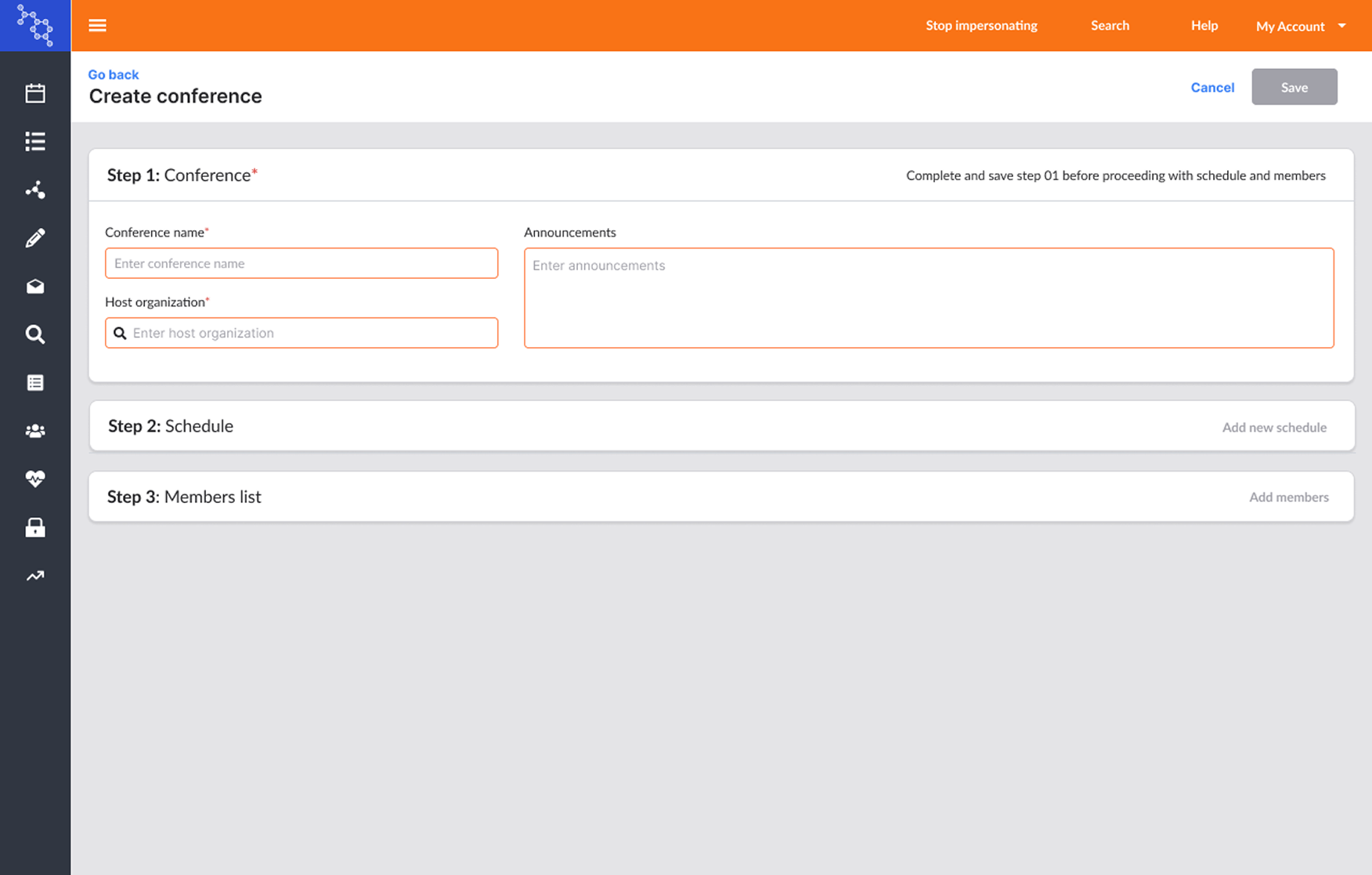
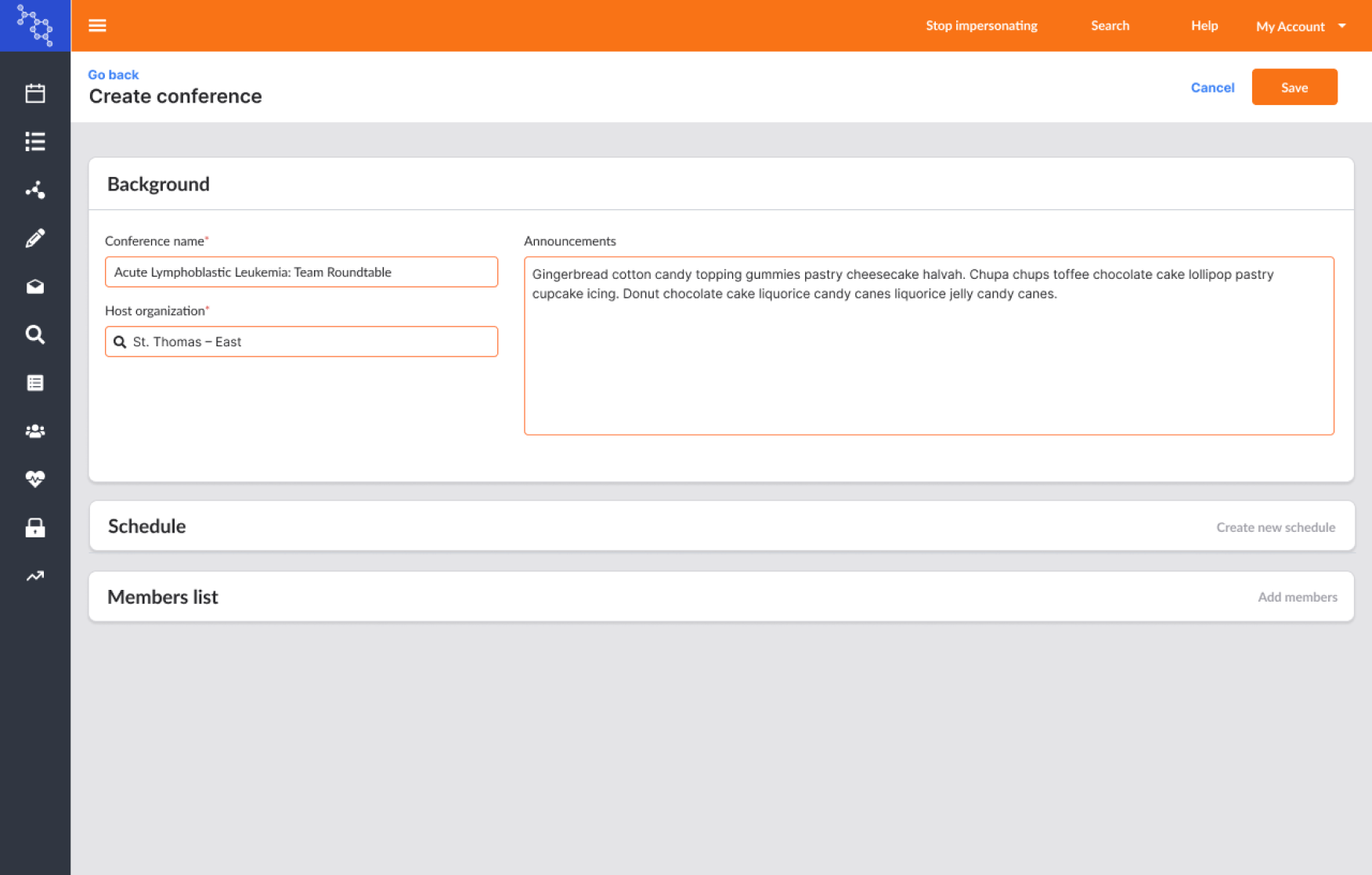
At OncoLens, our product’s core functionality is to help clinicians (as admins) request, create, build, schedule and record sessions from the web application. Hospital systems transmit a copy of the patient’s medical records to the OncoLens web application where admins may prepare cases for the next conference discussion. This worked until:
- A patient visited multiple providers and/or multiple provider systems
- There were multiple records containing the same first name + last name
- A patient’s name was recorded using a nickname or abbreviated legal name
- A visit was recorded improperly in office.
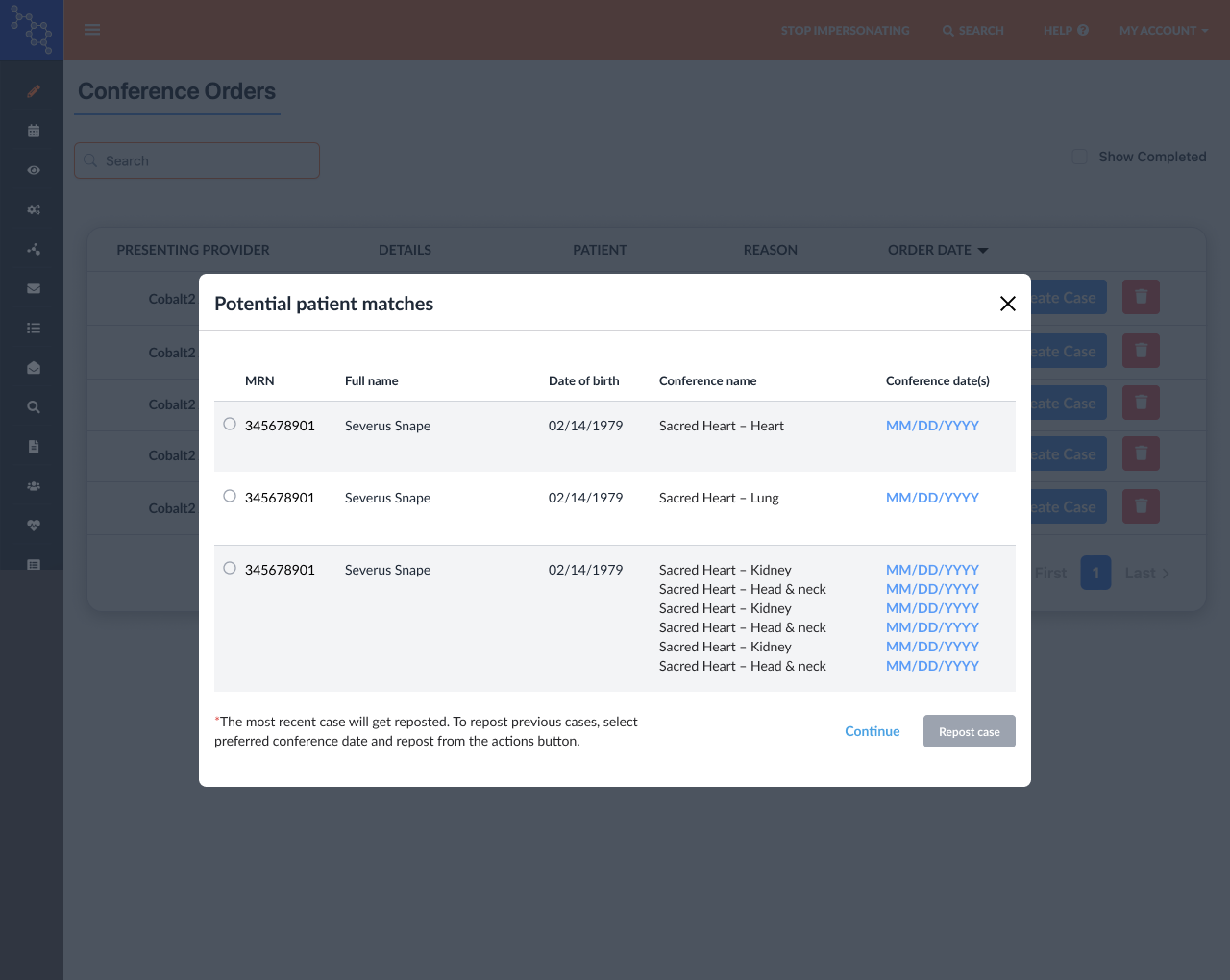
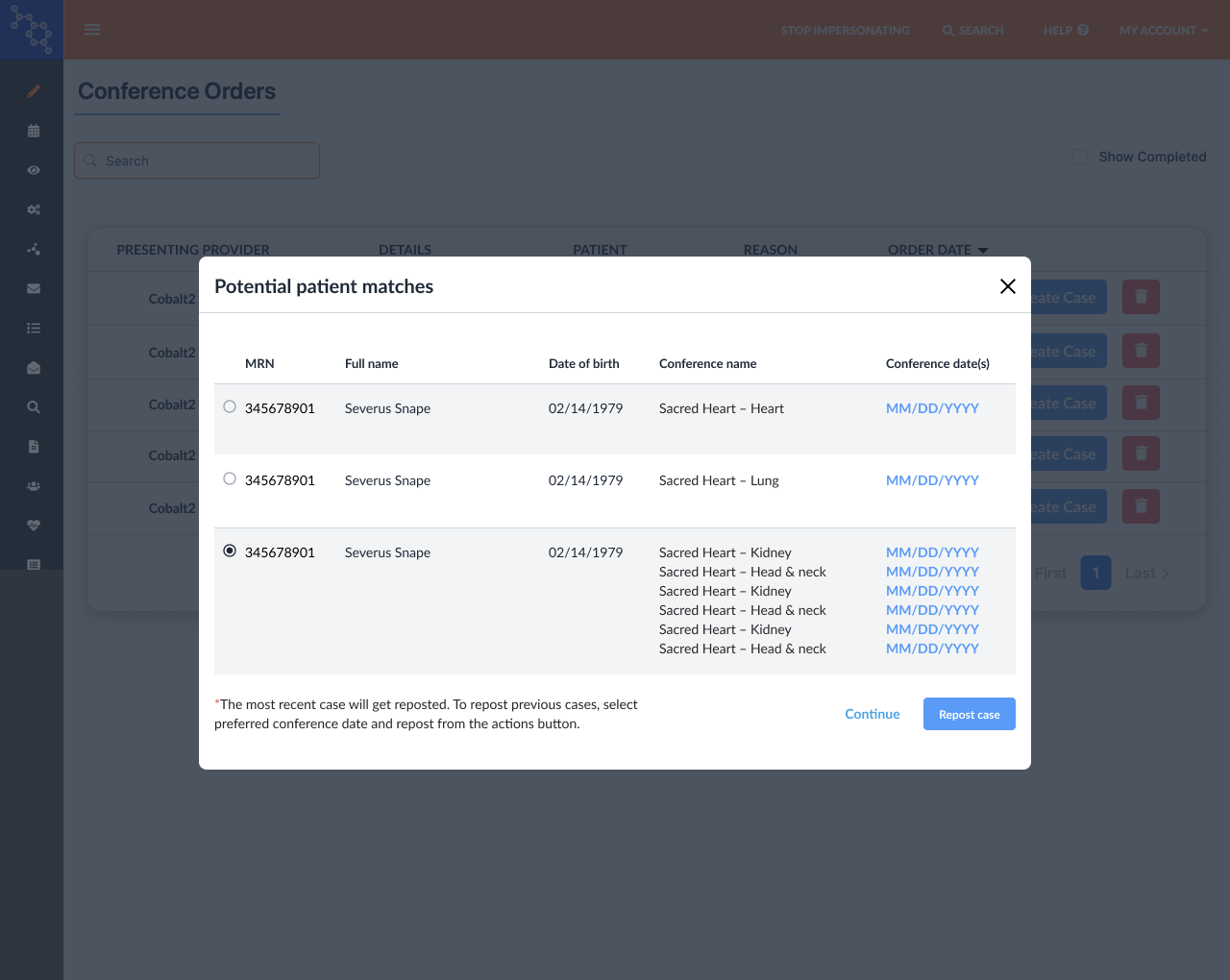
As user volume (and patient records) grew, complaints began to emerge: duplicate patient records were appearing across the platform. Upon deeper investigation, we surfaced missed clinical feedback, fragmented lab data, and substantial wasted worker hours due to necessary manual data correction.
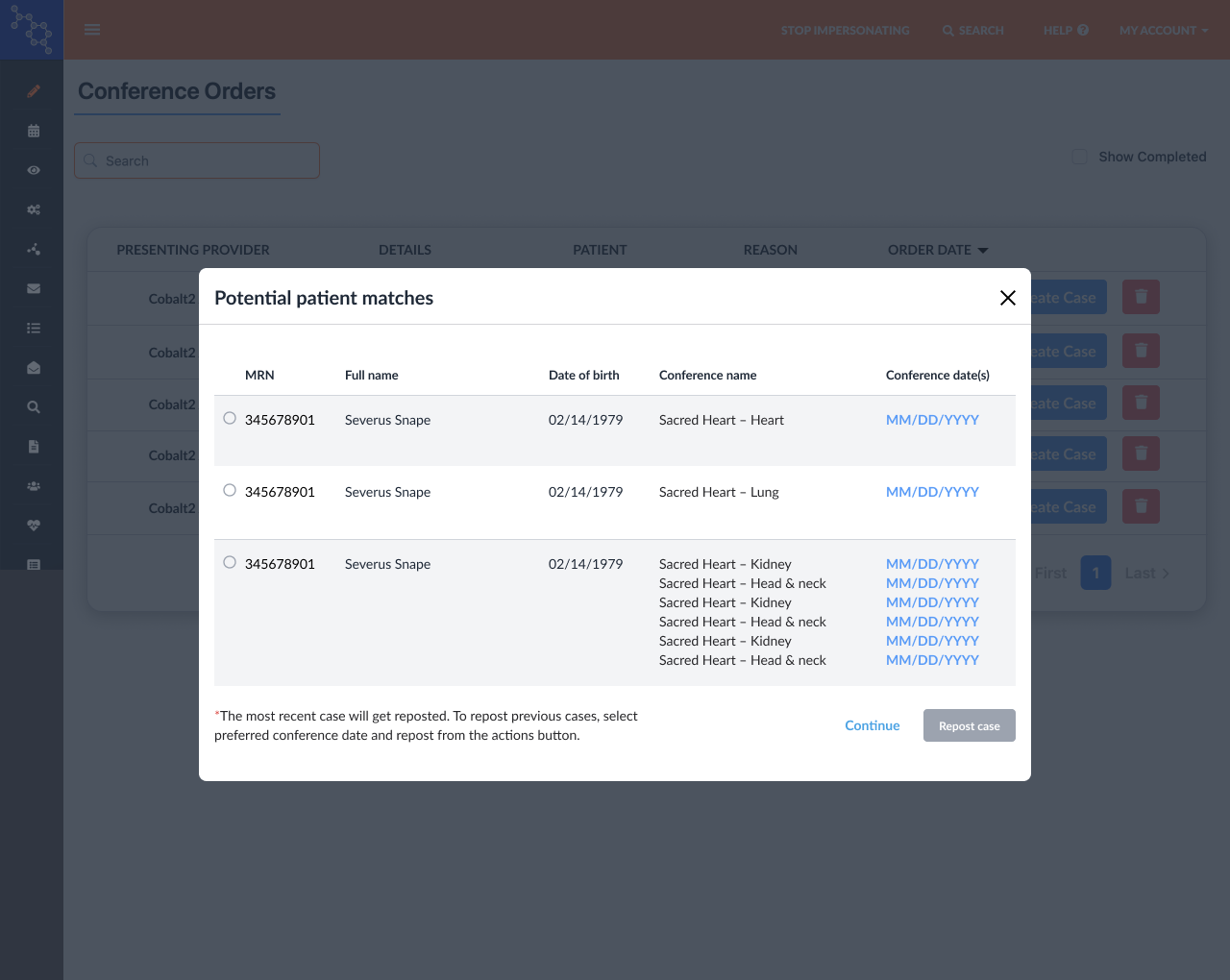
I addressed the issue through logical and user interface adjustments. Duplicate detection logic was implemented and triggered on record upload based on key or unique patient identifiers such as date of birth. Each suspected duplicate record was flagged and presented in a comparison window, enabling the admin to review records simultaneously and determine whether corrective action was needed. Also introduced was a Merge functionality whereas partial, incomplete, and/or duplicate patient records could merge into a surviving record with enriched data.
Through these improvements, our platform was able to reduce the # of duplicate records by 70%, improve user satisfaction through reduction in manual correction, and ultimately reduce user time and effort to plan a conference.